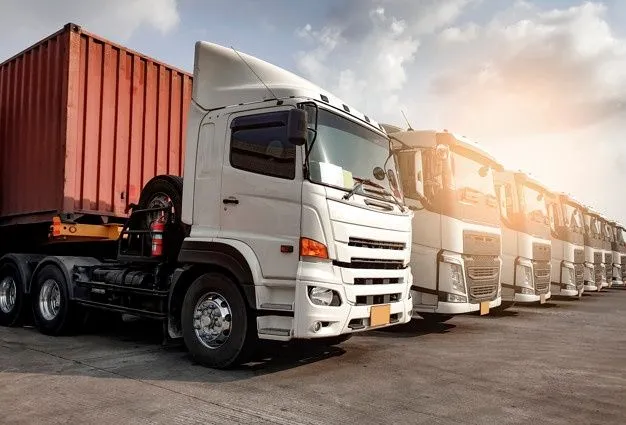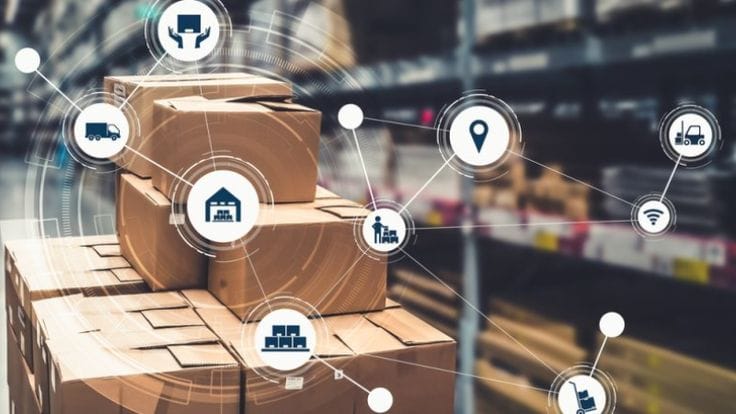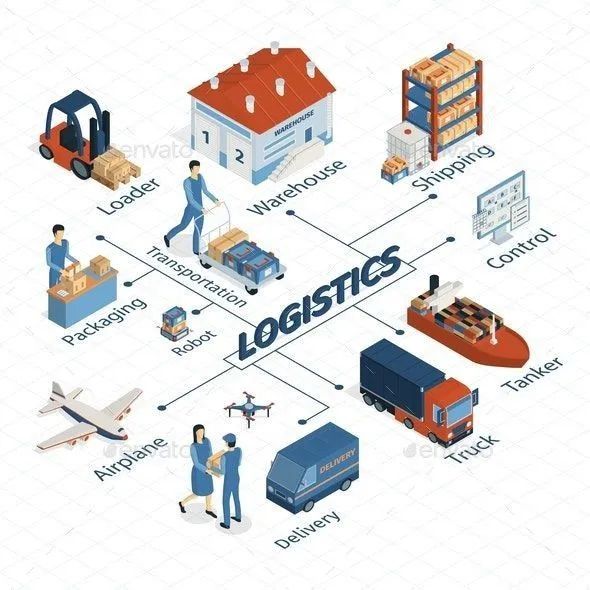
| Logistics is the planning, coordination, and execution of the movement and storage of goods, services, and information from the point of origin to the point of consumption. In business, logistics covers transportation, warehousing, inventory management, order fulfillment, and the information systems that connect these activities. The global logistics market was valued at $8.4 trillion in 2024 and employs over 40 million people worldwide. Without logistics, manufactured goods cannot reach the businesses and consumers who need them — every physical product you have ever purchased moved through a logistics network at least once before it reached you. |
| THE BASICS |
What Logistics Actually Means — And Why It Is Different From Transportation
Most people think logistics means trucks. Logistics is much broader than that. Transportation — moving goods from one location to another using vehicles — is one component of logistics. But logistics also includes the decisions about where goods are stored, how much inventory should be held at each location, how orders are processed and fulfilled, how returns are managed, and how information about the location and status of goods flows through the supply chain.
The word logistics has military origins — it referred to the science of planning and executing the movement and maintenance of military forces. The same core concept applies in business: getting the right resources to the right place at the right time, in the right condition, at the right cost. Replace ‘troops and ammunition’ with ‘products and inventory’ and the discipline is identical.
In 2026, logistics has expanded further to include digital logistics — the information systems, platforms, and data flows that enable physical goods to move efficiently. A shipment of pharmaceutical products from Germany to the UAE involves not just the physical movement of temperature-controlled cargo but also the electronic submission of export declarations, advance cargo information, customs clearance data, temperature monitoring logs, and proof of delivery — all flowing through logistics systems simultaneously with the physical cargo.
| $8.4T Global logistics market 2024 Employing 40M+ people worldwide | 12% Of global GDP — logistics costs Transportation, warehousing, and inventory carrying costs | 2026 AI now standard in logistics planning Predictive analytics, route optimization, demand forecasting |
| TYPES OF LOGISTICS |
The 5 Main Types of Logistics — What Each One Covers
1. Inbound Logistics
Inbound logistics covers the movement of raw materials, components, and supplies from suppliers to a manufacturer or distributor. This includes managing supplier relationships, ordering materials, receiving shipments, and storing inputs before they are used in production. Poor inbound logistics — late deliveries from suppliers, quality failures in incoming materials, mismanaged inventory — stops production and creates cost.
2. Outbound Logistics
Outbound logistics covers the movement of finished goods from a manufacturer or distributor to the end customer. This includes order processing, picking and packing, shipping, last-mile delivery, and customer service. For e-commerce businesses, outbound logistics is usually the highest-cost and most customer-visible part of operations — the customer does not see the factory, but they do see whether their order arrives on time and in good condition.
3. Reverse Logistics
Reverse logistics covers the movement of goods back up the supply chain — from customer to seller, from retailer to distributor, or from end-of-life to disposal or recycling. E-commerce return rates of 20-30% make reverse logistics a major cost component for consumer brands. Reverse logistics also includes equipment refurbishment, product recalls, and end-of-life disposal compliance.
4. Third-Party Logistics (3PL)
Third-party logistics refers to outsourcing logistics functions — warehousing, fulfillment, transportation — to a specialist provider. Instead of owning warehouses and managing carrier relationships, a company hires a 3PL to handle these functions. The global 3PL market is projected to grow from $1.26 trillion in 2025 to $2.5 trillion by 2033, driven by e-commerce growth and increasing supply chain complexity.
5. International Logistics (Global Logistics)
International logistics covers the movement of goods across borders — involving freight forwarding, customs clearance, trade compliance, ocean and air freight, and currency and documentation management. International logistics is the most complex and highest-risk form of logistics because it involves multiple countries’ regulations, multiple carrier modes, long transit times, and currency exposure.
| LOGISTICS CAREERS |
Logistics Careers — What Jobs Exist in Logistics and What They Pay
| Job Title | What They Do | Avg Salary USA 2026 | Experience Required |
| Logistics Coordinator | Day-to-day shipment tracking, carrier booking, documentation | $45,000-$60,000 | Entry level — 0-2 years |
| Supply Chain Analyst | Data analysis, forecasting, process optimization | $65,000-$85,000 | 2-4 years + analytics skills |
| Freight Broker | Matching shippers with carriers, rate negotiation | $50,000-$100,000+ | Commission-based — unlimited upside |
| Customs Broker | Import/export compliance, duty classification, clearance | $55,000-$80,000 | Licensed (CHB exam required in USA) |
| Logistics Manager | Managing warehouse, carrier, and 3PL operations | $75,000-$110,000 | 5+ years logistics experience |
| Supply Chain Director | Strategic oversight of full supply chain function | $120,000-$180,000+ | 10+ years, often MBA |
| VP of Logistics | Executive-level supply chain leadership | $150,000-$250,000+ | 15+ years, P&L responsibility |
| LOGISTICS TECHNOLOGY |
How Technology Is Changing Logistics in 2026
Logistics in 2026 looks fundamentally different from logistics in 2016. The combination of AI-powered planning tools, real-time visibility platforms, digital freight marketplaces, and automation in warehouses is restructuring how the industry operates.
AI-powered demand forecasting is reducing inventory carrying costs by helping companies hold the right amount of stock at each location rather than the maximum possible amount as a buffer against uncertainty. Route optimization algorithms are reducing transportation costs by identifying the most efficient carrier and routing for each shipment. Warehouse automation — robotics, automated sorting, drone inventory counting — is reducing labor costs and errors in fulfillment operations.
For smaller logistics companies and shippers, these tools are increasingly accessible through SaaS platforms rather than requiring custom technology builds. A freight forwarder using a digital logistics platform in 2026 has capabilities that would have required enterprise-level IT investment in 2016.
| Logistics companies that rank on Google for the searches their ideal clients make — ‘what is logistics,’ ‘how does freight forwarding work,’ ‘what is a 3PL’ — capture buyers at the top of their research journey and build the trust that converts to client relationships. Rankpy builds this content for logistics companies. Free audit at rankpy. |
FAQ
FAQs about Logistics
Looking to learn more about SEO solutions for your business? Browse our FAQs:
Logistics is the planning, coordination, and execution of the movement and storage of goods from the point of origin to the point of consumption. It covers transportation, warehousing, inventory management, order fulfillment, and the information systems that connect these activities. The global logistics market is valued at $8.4 trillion and employs over 40 million people. Without logistics, manufactured goods cannot reach the businesses and consumers who need them. |
Logistics is a component of supply chain management. Logistics specifically refers to the movement and storage of goods — transportation, warehousing, order fulfillment, and delivery. Supply chain management is the broader discipline that includes logistics plus supplier management, demand planning, manufacturing coordination, and customer service strategy. All logistics is part of a supply chain, but supply chain management encompasses more than logistics alone. |
A logistics company provides some or all of the services involved in moving and storing goods. This includes transportation (moving goods by truck, ship, or aircraft), warehousing (storing goods until they are needed), order fulfillment (picking, packing, and shipping orders to customers), freight forwarding (arranging international shipments and customs clearance), and customs brokerage (managing import and export compliance). Most logistics companies specialize in one or more of these functions rather than providing all of them. |
The global logistics market was valued at $8.4 trillion in 2024, making it one of the largest industries in the world economy. The third-party logistics (3PL) segment alone was valued at $1.26 trillion in 2025 and is projected to reach $2.5 trillion by 2033 at a 9.1% annual growth rate. The logistics industry employs over 40 million people globally and accounts for approximately 12% of global GDP when transportation, warehousing, and inventory carrying costs are combined. |
The largest logistics companies in the world in 2026 by revenue are DHL (Germany), UPS (USA), FedEx (USA), Kuehne+Nagel (Switzerland), DSV (Denmark), DB Schenker (Germany), XPO Logistics (USA), and C.H. Robinson (USA). Amazon Logistics has grown rapidly and is now among the largest last-mile logistics operators in the US and several European markets. These companies collectively move a significant percentage of global trade. |