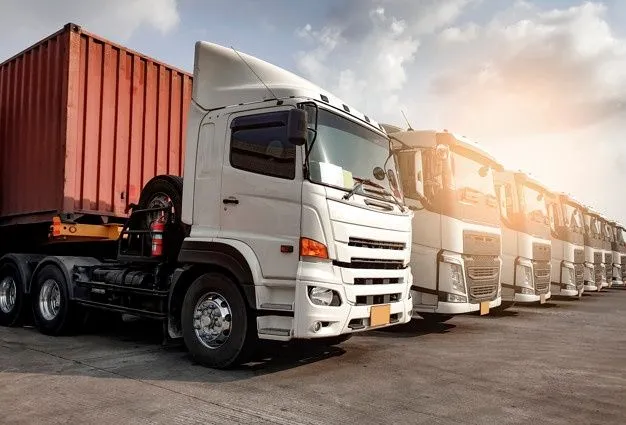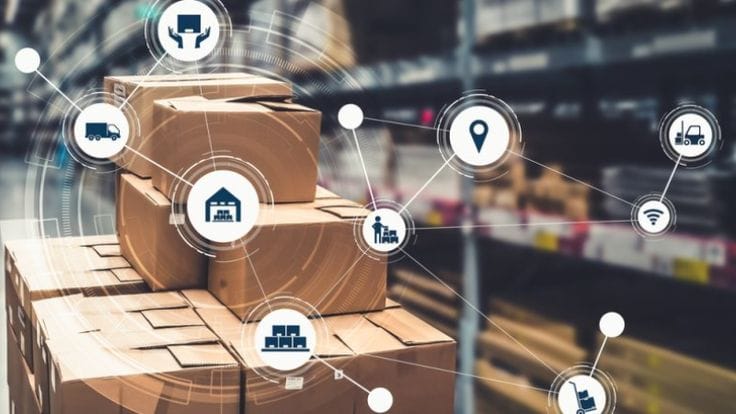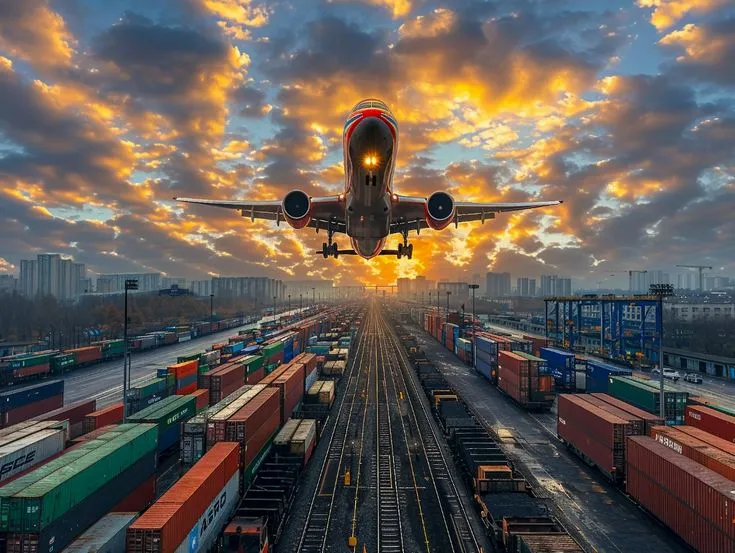
| Freight forwarding is the process of arranging the transportation of goods from one location to another — typically across international borders — using a network of carriers, customs agents, and logistics providers. A freight forwarder does not physically move cargo. Instead, they act as the expert intermediary: booking space on ships, aircraft, and trucks, handling customs documentation, managing compliance requirements, and coordinating the chain of events that gets a shipment from its origin to its destination. Global freight forwarding revenue exceeded $200 billion in 2025. Every physical product you have ever imported — electronics, clothing, food, machinery, pharmaceuticals — almost certainly moved through a freight forwarder at some point in its journey. |
| THE BASICS |
What Does a Freight Forwarder Do — Exactly?
A freight forwarder is a licensed intermediary between the shipper (the company sending goods) and the transportation providers (shipping lines, airlines, trucking companies, customs authorities). They do not own the planes, ships, or trucks. What they own is relationships, expertise, and the systems needed to move cargo efficiently across a global network.
When an importer in the United States buys electronics from a manufacturer in China, they do not negotiate directly with COSCO or Evergreen for ocean freight space. They do not know which customs codes apply to their product or how to prepare a commercial invoice that will pass customs inspection. They do not have relationships with port agents in Shanghai or with drayage companies at Los Angeles port. A freight forwarder handles all of this.
The practical work a freight forwarder does covers the entire journey of a shipment: selecting the right carrier and route, booking space, preparing export and import documentation, arranging customs clearance at both origin and destination, managing cargo insurance, coordinating with ports and warehouses, and tracking the shipment from door to door.
| $200B+ Global freight forwarding revenue 2025 Growing at 6% annually through 2030 | 90% International trade moves through freight forwarders Most importers and exporters rely on forwarders | 173 Countries — average forwarder network Top forwarders operate in every major trade market |
| HOW IT WORKS |
How Freight Forwarding Works — From Pickup to Delivery
| Stage | What Happens | Who Does It | Documents Involved |
| Export preparation | Goods packaged, labeled, ready for pickup at origin | Shipper + forwarder | Commercial invoice, packing list, export license if needed |
| Origin pickup and consolidation | Cargo collected from factory or warehouse, moved to port or airport | Freight forwarder arranges local trucking | Bill of lading (draft), booking confirmation |
| Export customs clearance | Documentation submitted to origin country customs authority | Freight forwarder / customs broker | Export declaration, certificate of origin, HS codes |
| Ocean/air transit | Cargo moves on vessel or aircraft from origin to destination | Shipping line or airline | Master bill of lading, air waybill, cargo manifest |
| Import customs clearance | Documentation submitted to destination country customs | Freight forwarder / customs broker | Commercial invoice, packing list, import declaration, duty payment |
| Destination pickup and delivery | Cargo released from port/airport and delivered to buyer | Freight forwarder arranges drayage and final delivery | Delivery order, proof of delivery |
| KEY TERMS |
Freight Forwarding Terms Every Importer and Exporter Must Know
Incoterms
Incoterms (International Commercial Terms) are standardized rules that define exactly where the seller’s responsibility ends and the buyer’s responsibility begins. The most common incoterms are EXW (Ex Works — buyer responsible from factory door), FOB (Free On Board — seller responsible until cargo is loaded on the vessel), CIF (Cost Insurance Freight — seller responsible until cargo arrives at destination port), and DDP (Delivered Duty Paid — seller responsible for everything including import duties). Your freight forwarder uses the agreed incoterm to know exactly what they need to arrange on each shipment.
Bill of Lading (BOL)
The bill of lading is the most important document in international freight. It is simultaneously the contract of carriage between the shipper and the carrier, the receipt proving that the carrier has received the cargo, and the document of title that gives the holder the right to claim the goods at destination. Without a correctly completed bill of lading, cargo cannot be released at the destination port.
HS Codes
HS (Harmonized System) codes are the international classification system for traded goods. Every product moving across borders must have an HS code that determines its customs duty rate and any applicable restrictions or licenses. Choosing the wrong HS code for your product can result in underpaid duties, penalties, and shipment delays. Your freight forwarder or customs broker assigns the correct HS code based on your product specifications.
Customs Bond
A customs bond is a financial guarantee required by US Customs and Border Protection for most commercial imports. It guarantees that the importer will pay all duties, taxes, and fees owed on their shipments. Your freight forwarder arranges a customs bond as part of the import process.
| CHOOSING A FORWARDER |
How to Choose the Right Freight Forwarder — 5 Things That Actually Matter
1. Lane and Commodity Experience
A freight forwarder that specializes in your specific trade lane and commodity type will consistently outperform a generalist. A forwarder with deep experience in pharmaceutical cold chain from Europe to the UAE knows the GDP requirements, the temperature monitoring protocols, and the airport handlers that maintain cold chain integrity. A generalist applying standard procedures to pharmaceutical freight creates risk. Ask specifically about their experience with your origin, destination, and product type — not just their general capability.
2. Technology and Visibility
In 2026, leading freight forwarders provide real-time shipment tracking, digital document management, and integration with your ERP or order management system. You should be able to see where your shipment is, what documents have been filed, and what the next steps are — without calling your account manager. If a forwarder’s technology is a generic spreadsheet and weekly email updates, their operational sophistication is likely to match.
3. Network at Your Specific Ports
A forwarder can have 173 country offices and still have weak relationships at the specific port you use regularly. Ask for specifics: who is their agent at your primary departure port, what is their relationship with the shipping line you prefer, how do they handle port congestion or vessel rollover at your destination port. Generalized network claims matter less than specific capability at your actual routing.
4. Compliance Knowledge for Your Product
Importing electronics, food, pharmaceuticals, chemicals, or textiles all require specific compliance knowledge that generalist forwarders may not have. FDA Prior Notice for food imports, REACH compliance for chemicals entering Europe, FCC certification for electronics — these are not general freight knowledge. They require specialists. A compliance error can result in shipment holds, product seizure, or import bans.
5. Pricing Transparency
Freight forwarding quotes are notoriously complex. Ocean freight, origin charges, destination charges, customs fees, documentation fees, port fees, drayage — a simple quote can expand significantly when the invoice arrives. Ask for an all-inclusive quote covering every expected charge for your specific shipment and lane. Compare quotes on the same basis. A forwarder with a lower headline rate but higher destination charges may cost more in total.
| Rankpy ranks freight forwarding companies for the lane-specific and compliance-specific searches importers make when evaluating forwarding partners. If you run a freight forwarding company and want more inbound client inquiries from Google — request a free audit. |
FAQ
FAQs about Freight Forwarding
Looking to learn more about SEO solutions for your business? Browse our FAQs:
Freight forwarding is the arrangement of transportation for goods from one location to another, typically across international borders, using a network of carriers, customs agents, and logistics providers. A freight forwarder acts as the expert intermediary — booking carrier space, managing customs documentation, handling compliance requirements, and coordinating the chain of logistics events that gets a shipment from origin to destination. Freight forwarders do not physically move cargo; they organize the parties and documentation that move it. |
A freight forwarder books cargo space with shipping lines, airlines, and trucking companies; prepares and submits customs documentation at both origin and destination; manages compliance requirements specific to the product type and trade lane; arranges cargo insurance; coordinates with ports, warehouses, and last-mile delivery companies; and tracks shipments from pickup to delivery. For importers and exporters, the freight forwarder is the single point of contact managing a supply chain that involves dozens of separate parties. |
Shipping refers to the physical transportation of cargo by a carrier — a shipping line, airline, or trucking company. Freight forwarding refers to the arrangement and coordination of that transportation by an intermediary. A freight forwarder books space with the shipping carrier, prepares the documentation, manages customs clearance, and coordinates the full door-to-door journey. The carrier moves the cargo. The freight forwarder manages the process. |
Freight forwarding costs depend on the trade lane, freight mode (ocean, air, road), cargo type, weight and volume, and market conditions. Ocean freight from China to the US typically ranges from $800 to $3,000+ per TEU in normal market conditions — significantly higher during disruptions like the 2026 Strait of Hormuz crisis. Air freight is three to five times more expensive than ocean freight but much faster. Freight forwarder fees on top of carrier costs typically add $200 to $800 for documentation, customs, and handling. |
You need a freight forwarder if you are importing or exporting goods internationally and do not have in-house expertise in customs documentation, trade compliance, carrier relationships, and international logistics operations. Most businesses — even large ones — use freight forwarders because the complexity of international trade regulations, carrier negotiations, and customs compliance requires specialist knowledge that would be expensive to maintain in-house. Businesses moving less than a full container load (LCL/groupage shipments) particularly benefit from forwarder relationships because they cannot negotiate directly with carriers. |